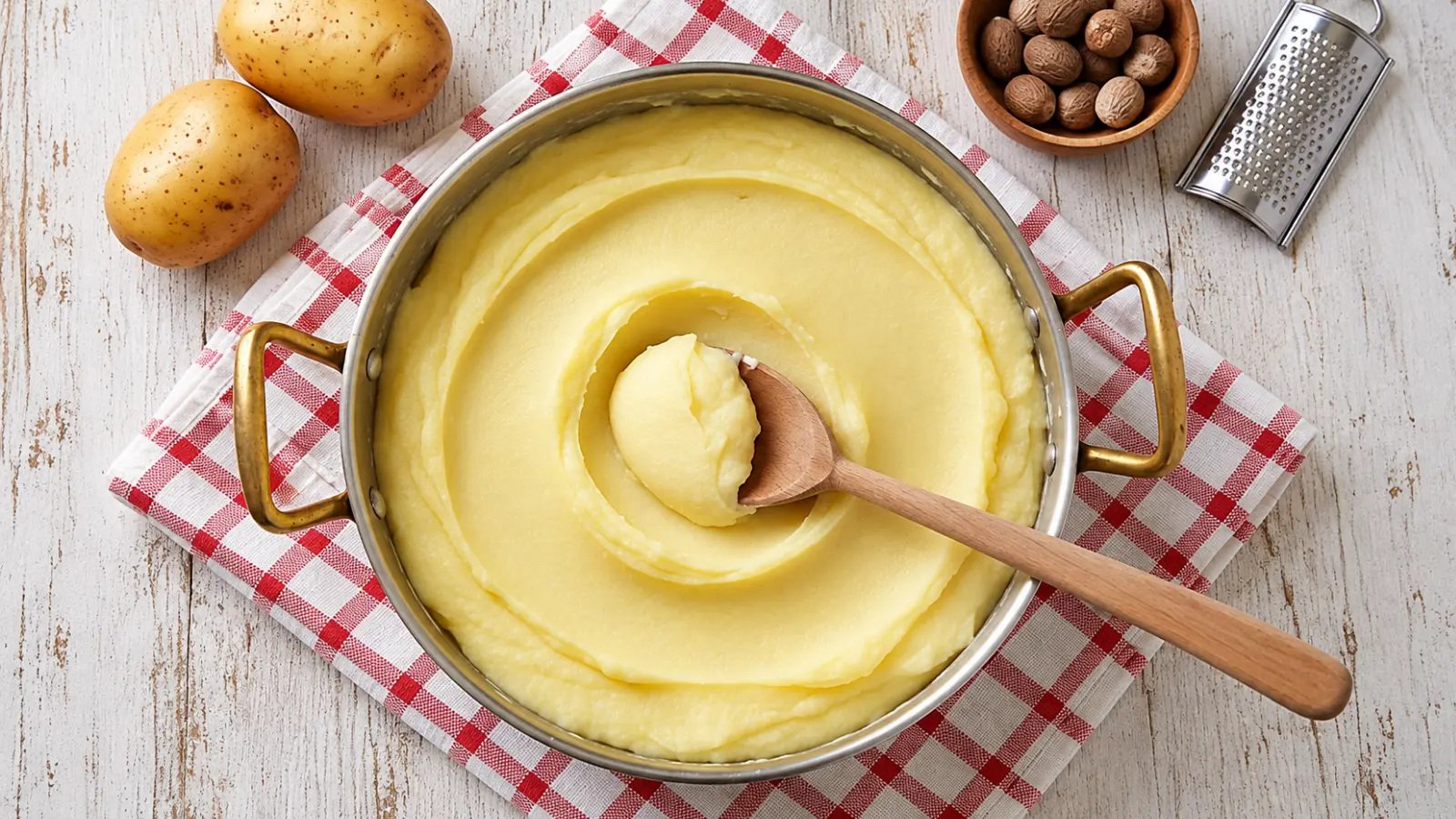
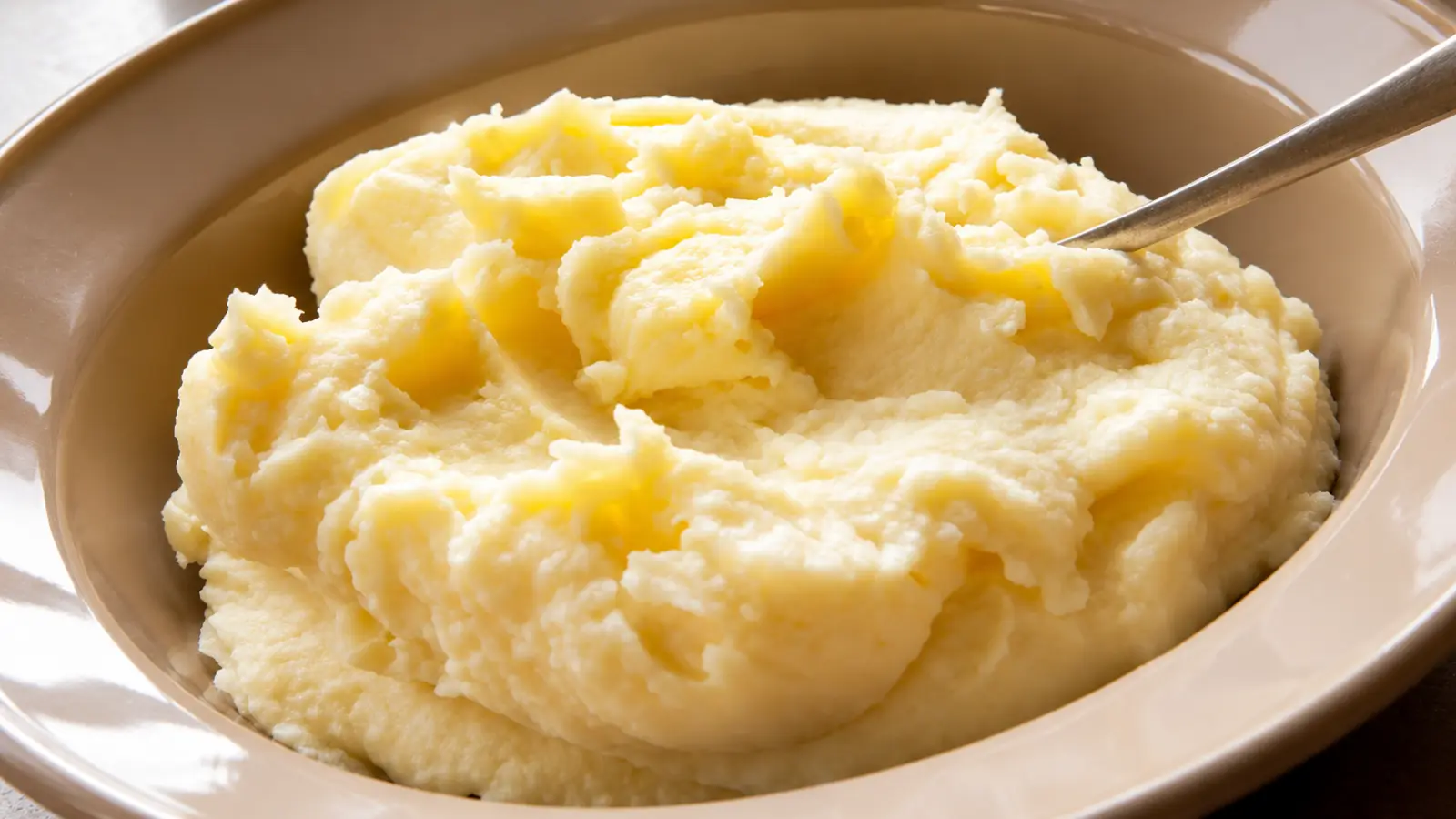
These creamy mashed potatoes are smooth, buttery, and soft enough to spoon while still holding gentle swirls on the plate. Yukon Gold potatoes give the mash a naturally rich flavor and pale-golden color, while butter and warm half-and-half create a creamy texture without making it overly heavy.
The technique matters as much as the ingredients. Starting the potatoes in cold water helps them cook evenly, drying them briefly after draining removes excess moisture, and gently folding in the butter and warm half-and-half keeps the potatoes creamy instead of watery or gluey.
Why Yukon Gold Potatoes Make a Creamier Mash
Yukon Golds are the best choice here. Their yellow flesh has a medium starch level, so it mashes into a dense, buttery-tasting purée, where russets give a lighter, fluffier result. Peel them for the smoothest finish and cut them into similar 2-inch pieces so they all turn tender at the same time.
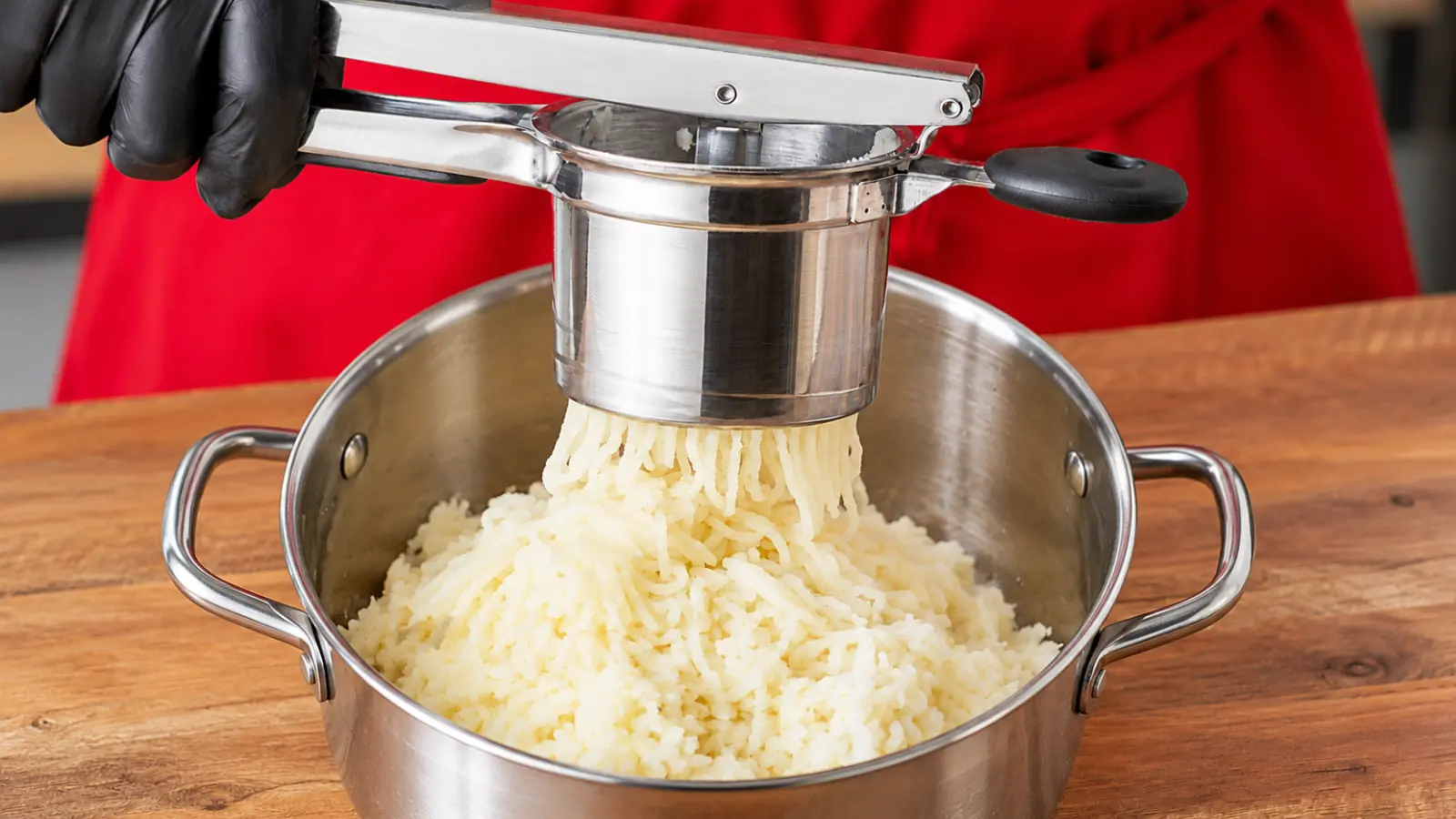
Do not use a blender, food processor, or electric mixer. The blades overwork the starch and turn the potatoes gluey. A ricer gives the smoothest texture, and a hand masher gives a little more body.
Three Details That Keep Mashed Potatoes Creamy
- Start in cold water. The pieces heat through evenly instead of softening outside before the centers are done.
- Dry the potatoes after draining. One or two minutes in the warm pot lets extra moisture steam away, so the dairy does not turn the mash watery.
- Add the butter first. Folding it in before the half-and-half coats the starch, and the warm dairy then goes in gradually for a smoother texture.
Salt the cooking water too. Potatoes absorb seasoning as they cook, so the salt in the water seasons them through, and the salt added at the end only finishes the job.
Creamy Mashed Potatoes
Smooth and buttery Yukon Gold mashed potatoes made with warm half-and-half for a rich, spoonable side dish
Stored in this browser. Check off items as you shop.
Ingredient quantities change with servings. Metric amounts appear when an equivalent is available. Cooking times, temperatures and method steps do not scale automatically.
Ingredients
Measurement help for this recipe
Metric equivalents use the values entered for this recipe or GUSTANA conversion data when available. Ingredients without an equivalent remain in their original units.
| 3 pounds Yukon Gold potatoes | 1.36 kg |
| 1 tablespoon kosher salt | 9 g |
| 6 tablespoons unsalted butter | 85 g |
| 3/4 cup half-and-half | 180 mL |
| 3/4 teaspoon kosher salt | 2 g |
| 1/4 teaspoon freshly ground black pepper | 0.5 g |
Instructions
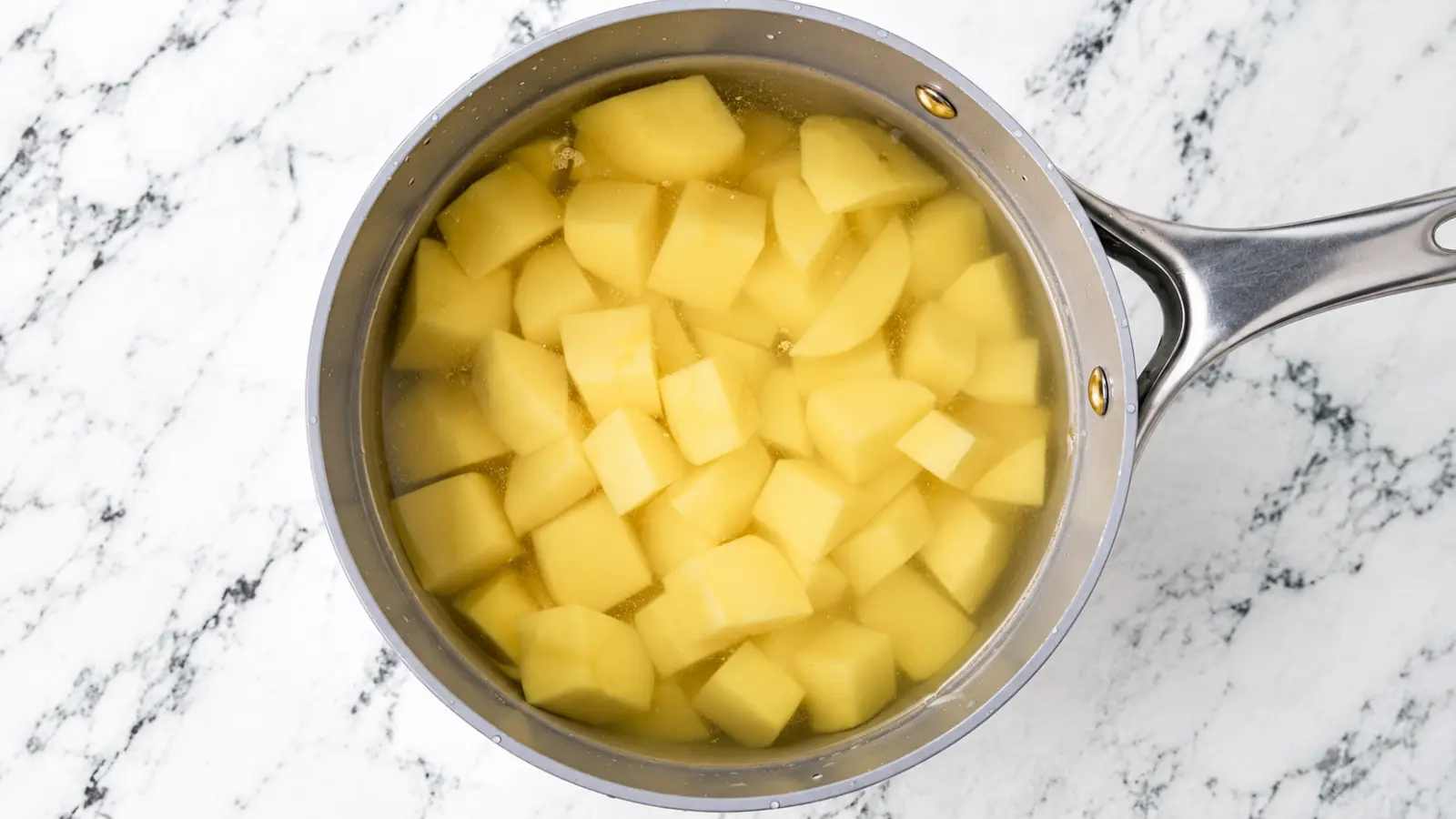
- Place the peeled potato pieces in a large pot and cover with cold water by 1 inch. Stir in 1 tablespoon kosher salt. Bring to a boil over medium-high heat, then reduce the heat to maintain a gentle simmer.
Starting in cold water helps the pieces cook evenly from the outside to the center.

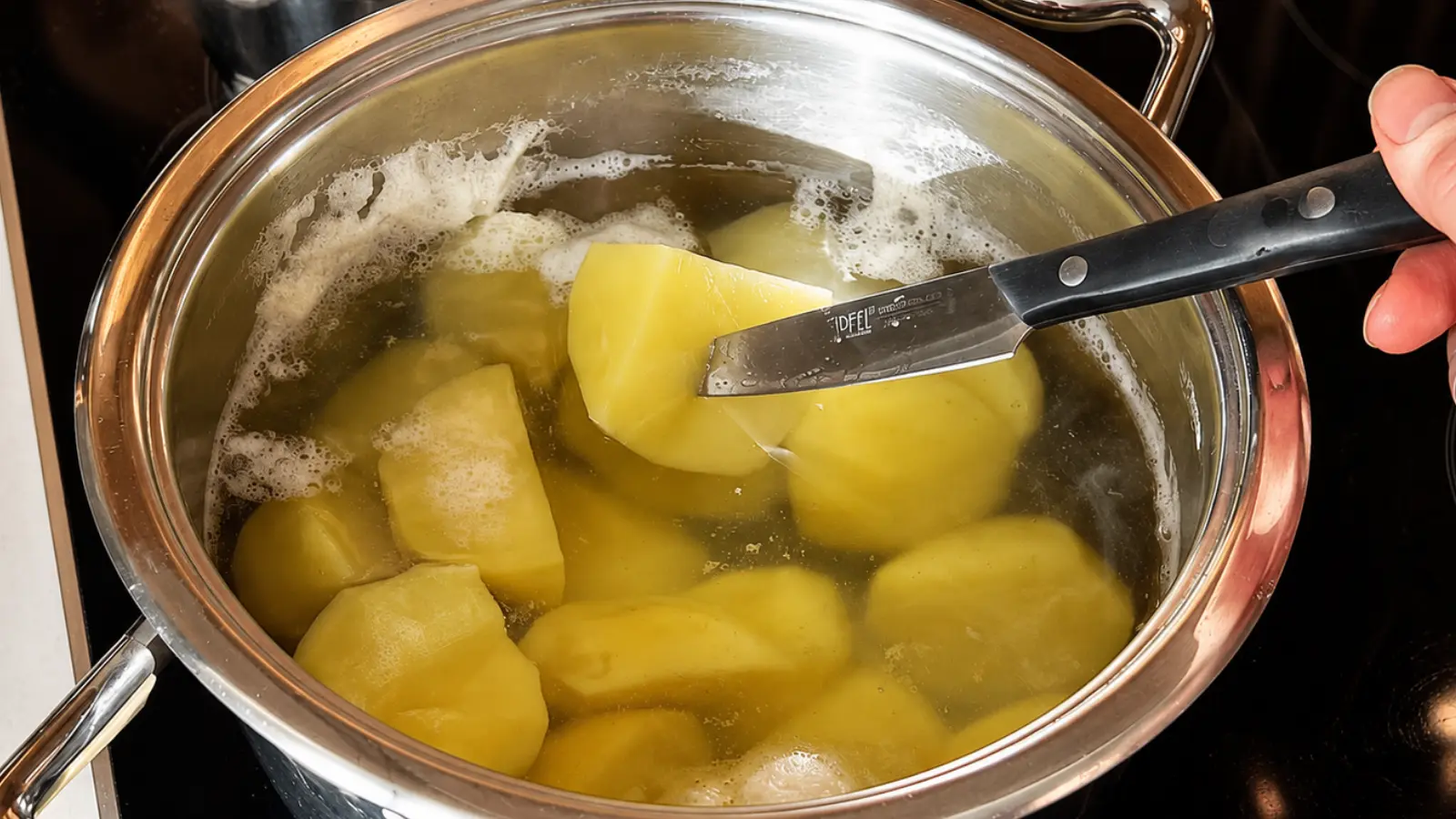
- Simmer until a paring knife slides through the largest piece with no resistance, 18 to 22 minutes.
Do not stop when the potatoes are merely fork-tender; they should be tender enough to break apart easily for a smooth mash.
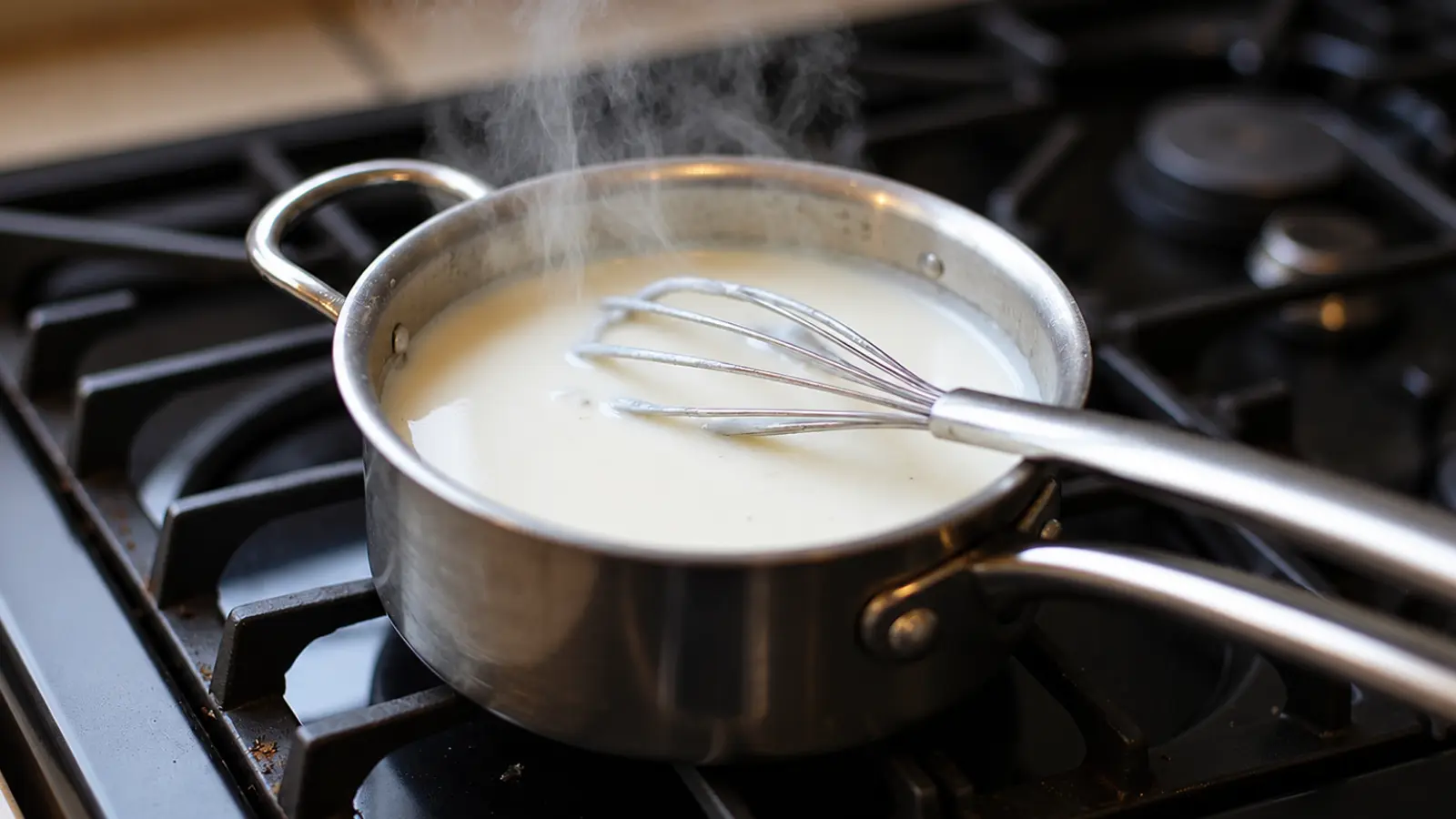
- While the potatoes cook, warm the half-and-half in a small saucepan over low heat until steaming around the edges. Do not boil.
Warm dairy blends into the potatoes more smoothly and does not cool the mash.
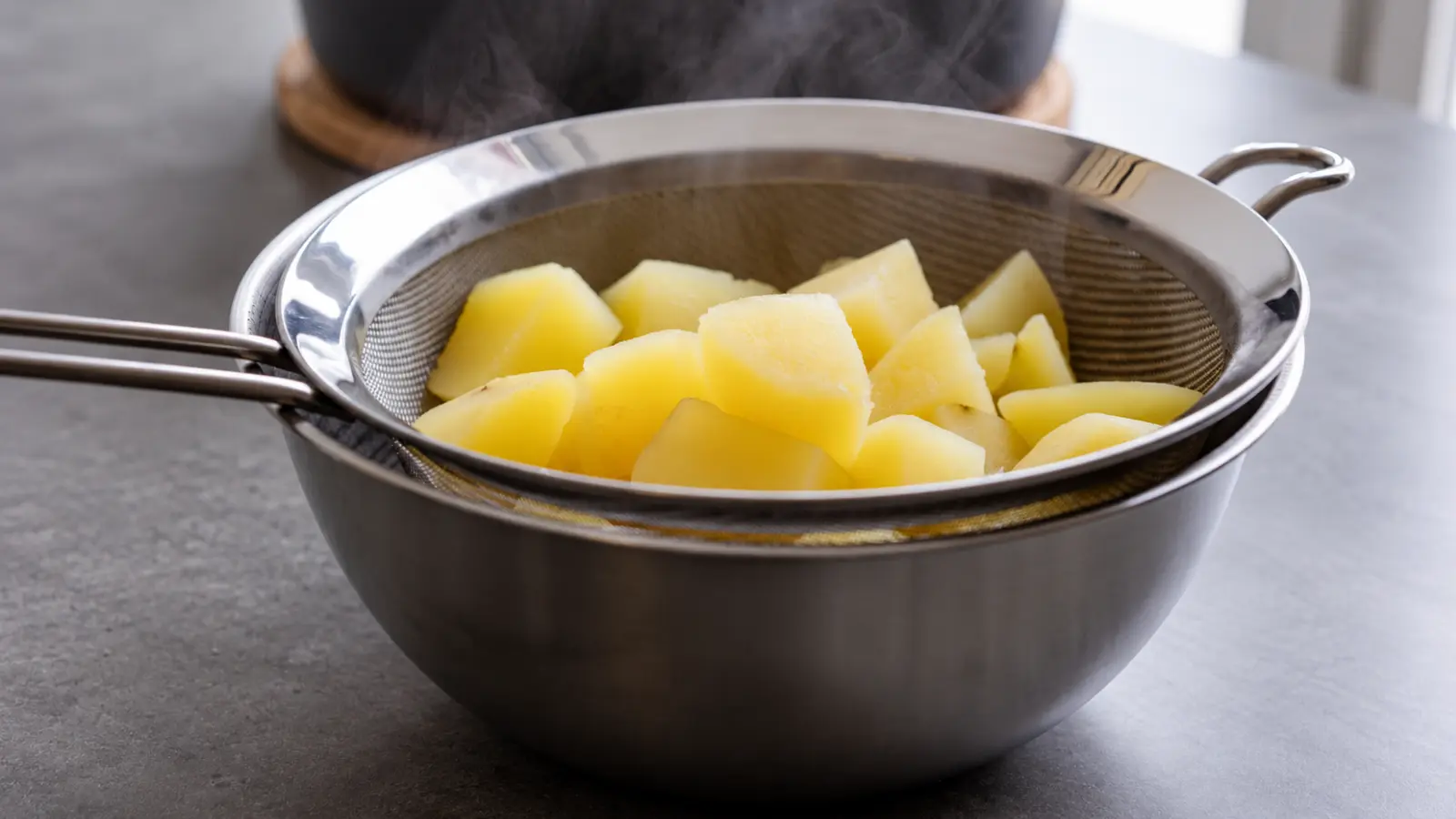
- Drain the potatoes well and return them to the hot, empty pot. Set the pot over low heat for 1 to 2 minutes, gently shaking it, until the excess moisture has evaporated. Turn off the heat.
Drying the potatoes briefly prevents a watery mash.
- Mash the potatoes with a potato masher, or pass them through a potato ricer into the pot. Fold in the butter until absorbed. Gradually fold in the warm half-and-half, the 3/4 teaspoon kosher salt, and the pepper until smooth and creamy. Add more warm half-and-half by the tablespoon only if needed.
Never use a blender, food processor, or electric mixer; overworking the starch can make the potatoes gluey.
- Taste and adjust the salt and pepper. Transfer to a warm serving bowl and serve immediately.
If the potatoes sit before dinner, cover them and stir in a little warm half-and-half just before serving.
Recipe Notes
- Salt amounts are for Diamond Crystal kosher salt, which is lighter than Morton. If you use Morton or table salt, start with about half as much by volume and taste.
- A potato masher gives a soft, home-style texture, and a ricer gives the smoothest mash. Russet potatoes make a lighter, fluffier result.
- Whole milk can replace the half-and-half for a lighter side dish. Add it gradually, because potatoes vary in how much liquid they absorb.
- Cook time includes bringing the pot of water to a boil.
Nutrition (per serving, estimated)
- Calories: 240 kcal
- Total Fat: 12 g
- Saturated Fat: 8 g
- Carbohydrates: 30 g
- Fiber: 3 g
- Sugars: 3 g
- Protein: 4 g
- Sodium: 250 mg
My Recipe Notes Private notes for next time
These notes are stored only in this browser.
Make-Ahead, Storage, and Reheating
To hold the potatoes for up to 1 hour, cover them and keep them over very low heat, or in a heatproof bowl set over barely simmering water. Keep them hot, above 140°F (60°C). Stir in a splash of warm half-and-half before serving if they tighten up.
You can also make them up to one day ahead. Cool, then refrigerate in an airtight container.
Refrigerate leftovers in a shallow airtight container within 2 hours and use them within 3 to 4 days. Reheat gently in a covered saucepan over low heat, or in a covered baking dish at 350°F (175°C), stirring in a little half-and-half or milk and butter as needed. Reheat leftovers to 165°F (74°C).
What to Serve With Creamy Mashed Potatoes
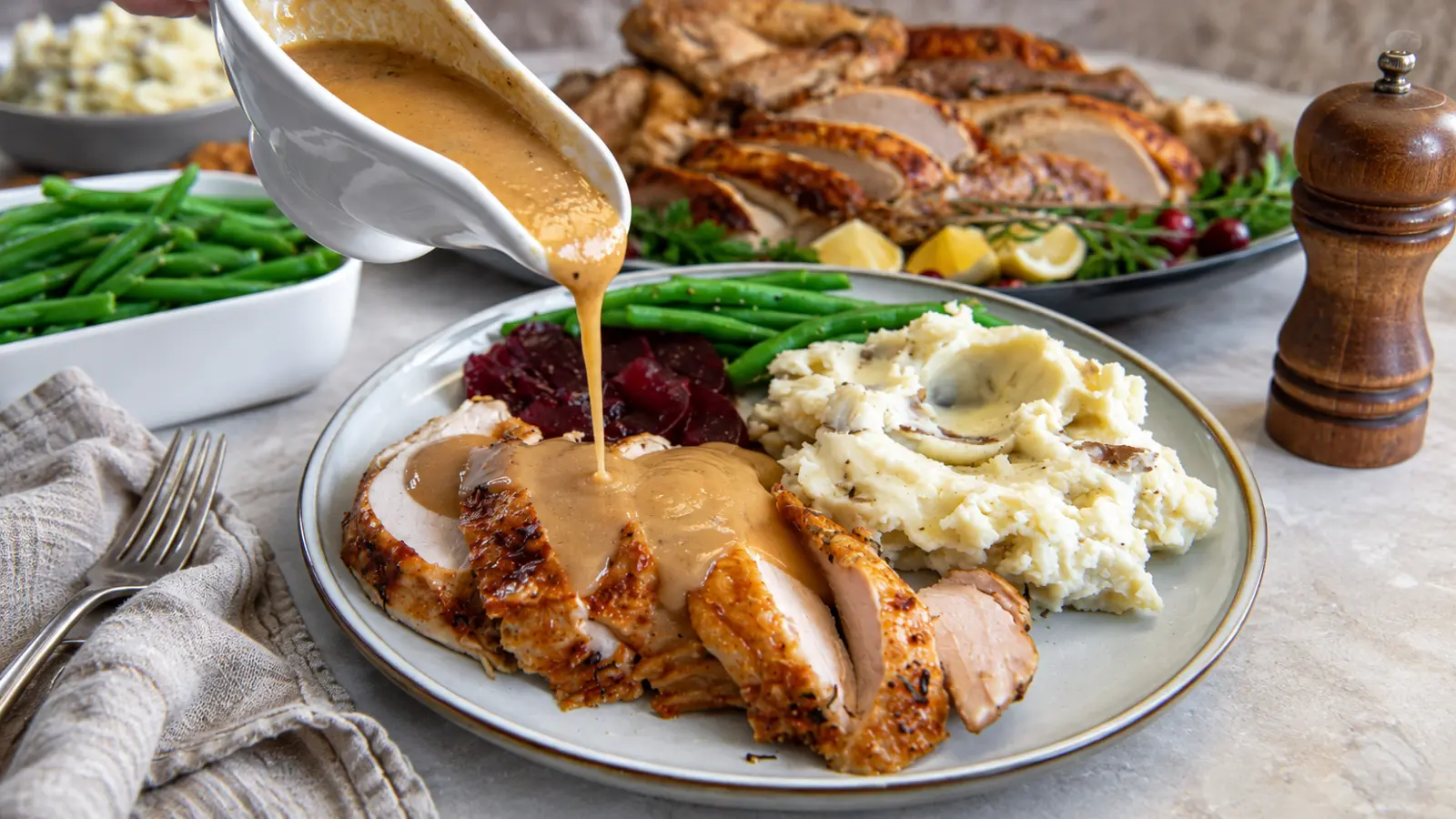
Serve them with turkey gravy, roast chicken, meatloaf, pot roast, or sautéed mushrooms. For a holiday plate, they pair well with roast turkey, stuffing, green beans, and cranberry sauce.
Helpful Tools for This Recipe
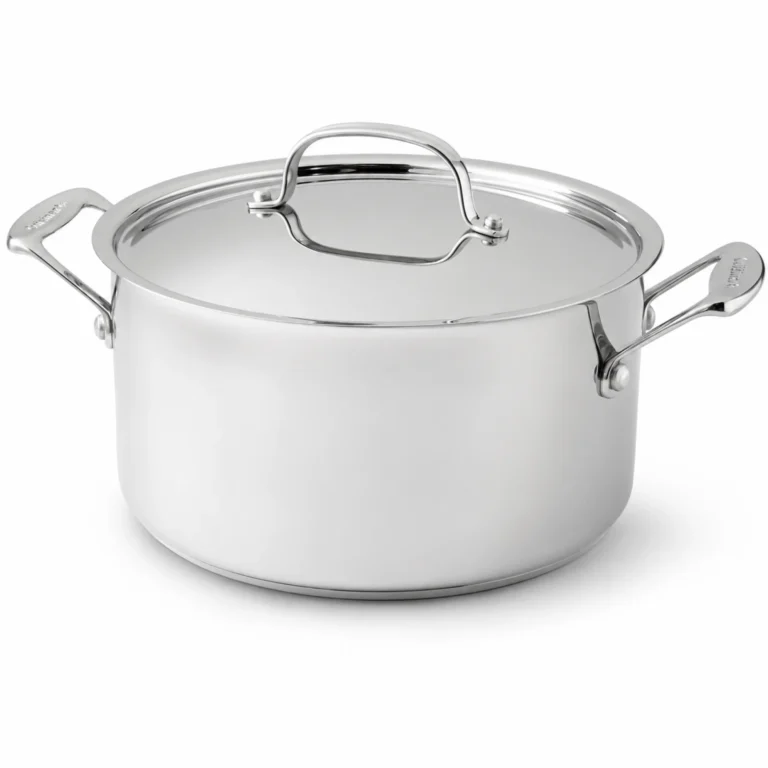
6-Quart Stainless Steel Stockpot with Cover
Boils Yukon Gold potatoes in salted water, with plenty of room for the pieces to cook evenly until tender
View on Amazon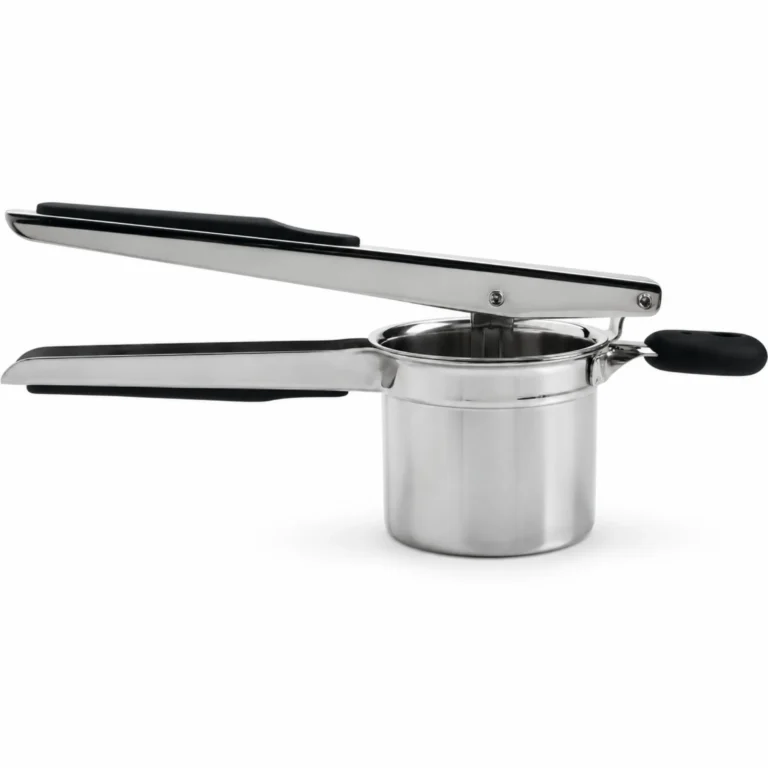
Stainless Steel Potato Ricer with Soft Handles
Presses soft, cooked Yukon Gold potatoes into fine pieces for a smooth mash without overworking their starch
View on Amazon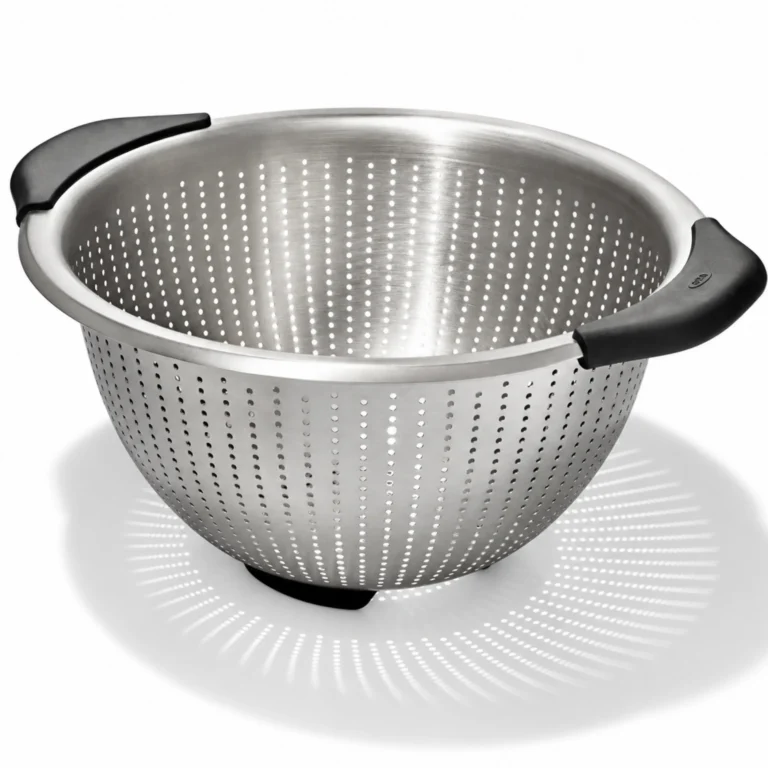
5-Quart Stainless Steel Colander with Non-Slip Handles
Drains cooked Yukon Gold potatoes after boiling so you can steam-dry them briefly before making a creamy mash
View on Amazon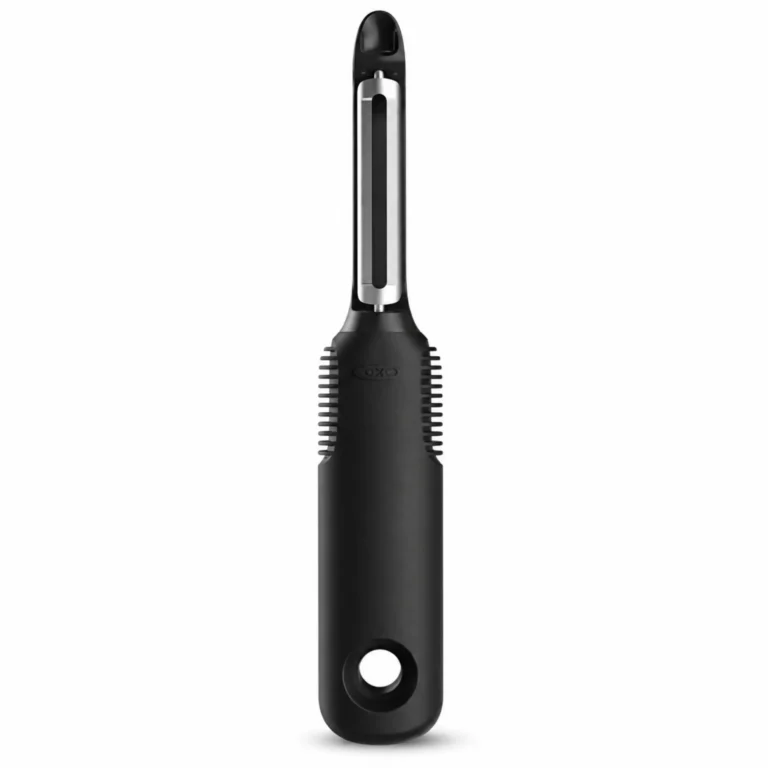
Swivel Vegetable Peeler with Comfortable Grip
Peels Yukon Gold potatoes easily before cutting them into even pieces that cook through for a creamy mash
View on AmazonSome links may be affiliate links. If you purchase through them, GUSTANA may earn a commission at no extra cost to you.
Frequently Asked Questions
What are the best potatoes for creamy mashed potatoes?
Yukon Gold potatoes are an excellent choice when you want rich, creamy mashed potatoes with a naturally buttery flavor and a slightly denser texture. Russet potatoes contain more starch and make a lighter, fluffier mash, while a combination of Yukon Golds and russets can give you a balance of creaminess and lift.
Should I use milk, half-and-half, or heavy cream for mashed potatoes?
Half-and-half gives these mashed potatoes a rich, creamy texture without making them as heavy as a version made entirely with heavy cream. Whole milk also works for a lighter result. Whichever you use, warm it first and add it gradually so you can stop when the potatoes reach the consistency you want.
Why did my mashed potatoes turn gluey?
Gluey mashed potatoes usually result from overworking the potato starch. Avoid blenders, food processors, and electric mixers, and use a potato ricer or hand masher instead. Once the potatoes are smooth, fold in the butter and warm half-and-half gently rather than stirring aggressively.
Can I make creamy mashed potatoes ahead of time?
Yes. You can make them up to one day ahead, cool them, and refrigerate them in an airtight container. Reheat them gently with a little warm half-and-half or milk and some butter to restore their creamy texture before serving.
What is the best way to reheat mashed potatoes?
Reheat mashed potatoes slowly rather than over very high heat. A covered saucepan over low heat or a covered baking dish in a 350°F (175°C) oven works well. Stir in a splash of warm half-and-half or milk and a little butter as needed, then heat until the potatoes are hot throughout.
How do I fix mashed potatoes that are too thick?
Fold in warm half-and-half, whole milk, or broth one tablespoon at a time until the potatoes are soft and easy to spoon. Add the liquid gradually because it is much easier to thin mashed potatoes than to correct them after they become too loose.